
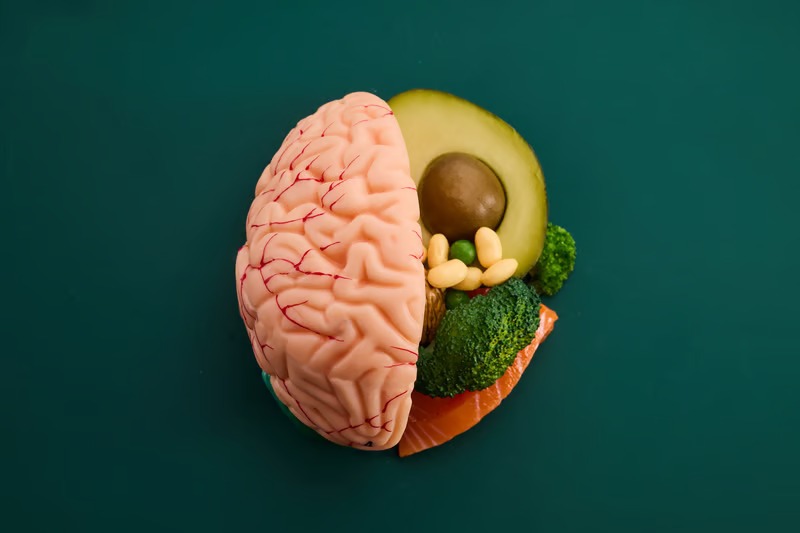
In our fast-paced world, maintaining optimal brain health is more important than ever. As we age, our cognitive function can decline, affecting memory, focus, and overall mental clarity. Fortunately, the foods we consume play a pivotal role in supporting brain wellness. This article explores the best brain health foods that can enhance cognitive function, backed by expert insights and research.
Understanding Brain Health
Before diving into specific foods, it’s essential to understand what brain health means. Brain health encompasses various aspects, including memory, cognition, and emotional well-being. Research indicates that a balanced diet rich in specific nutrients can significantly impact these areas. By incorporating brain health foods into your diet, you can nourish your brain and support its function.
The Role of Nutrition in Cognitive Function
Nutrition is fundamental to brain health. The brain requires various nutrients to function optimally, including vitamins, minerals, fatty acids, and antioxidants. These nutrients help protect the brain from oxidative stress, reduce inflammation, and promote neurogenesis, the formation of new neurons. By consuming brain health foods, you provide your body with the necessary components to enhance cognitive performance and overall mental well-being.
Key Nutrients for Brain Health
Certain nutrients are particularly beneficial for brain health. Understanding these nutrients can help you make informed choices about the foods you eat. Here are some essential nutrients to consider:
Omega-3 Fatty Acids: Found primarily in fatty fish, omega-3 fatty acids are crucial for maintaining brain structure and function. They play a vital role in building cell membranes and promoting communication between neurons.
Antioxidants: These compounds, found in fruits, vegetables, and whole grains, help combat oxidative stress in the brain, reducing the risk of cognitive decline.
B Vitamins: Vitamins B6, B12, and folate are essential for energy production and the synthesis of neurotransmitters. They help regulate mood and cognitive function.
Vitamin E: This powerful antioxidant protects the brain from oxidative damage, supporting overall cognitive health.
Flavonoids: Present in colorful fruits and vegetables, flavonoids have been shown to enhance memory and cognitive function.
Brain Health Foods to Include in Your Diet
Now that we understand the key nutrients for brain health, let’s explore some delicious and nutritious foods that can support cognitive function.
Fatty Fish
Fatty fish, such as salmon, mackerel, and sardines, are packed with omega-3 fatty acids. These essential fats are linked to improved memory and cognitive performance. A study published in the American Journal of Preventive Medicine found that individuals who consumed fish regularly had a lower risk of developing Alzheimer’s disease. Incorporating fatty fish into your diet just a couple of times a week can yield significant benefits for brain health.
Blueberries
Blueberries are often touted as a superfood due to their high antioxidant content, particularly flavonoids. Research has shown that these tiny berries can improve memory and delay brain aging. A 2010 study published in the Journal of Agricultural and Food Chemistry found that blueberry consumption improved cognitive function in older adults. Enjoying a handful of blueberries as a snack or adding them to smoothies can be an easy way to boost your brain health.
Leafy Greens
Leafy greens such as spinach, kale, and Swiss chard are rich in vitamins and minerals, including vitamin K, lutein, and folate. These nutrients are essential for brain health and have been linked to improved cognitive function. A study published in the journal Neurology found that individuals who consumed more leafy greens experienced slower cognitive decline compared to those with lower intake. Incorporating salads or sautéed greens into your meals can provide a nutrient-rich boost for your brain.
Walnuts
Walnuts are a fantastic source of omega-3 fatty acids and antioxidants, making them one of the best brain health foods. A study conducted at the University of California, Los Angeles, found that walnut consumption was associated with better cognitive function in older adults. Walnuts can easily be added to salads, oatmeal, or enjoyed as a snack on their own.
Dark Chocolate
Good news for chocolate lovers! Dark chocolate, particularly varieties with at least 70% cocoa, is rich in flavonoids and antioxidants. Research has shown that dark chocolate can improve blood flow to the brain, enhancing cognitive function. A study published in the journal Frontiers in Nutrition found that participants who consumed dark chocolate performed better on cognitive tasks. Treat yourself to a small piece of dark chocolate to reap its brain-boosting benefits.
Turmeric
Turmeric contains curcumin, a compound known for its anti-inflammatory and antioxidant properties. Research suggests that curcumin may help improve memory and promote the growth of new neurons. A study published in the journal Annals of Indian Academy of Neurology found that curcumin supplementation improved cognitive function in individuals with mild cognitive impairment. Incorporating turmeric into your cooking, whether in curries or golden milk, can add flavor and health benefits.
Eggs
Eggs are a rich source of several nutrients tied to brain health, including vitamins B6 and B12, folate, and choline. Choline, in particular, is crucial for the production of acetylcholine, a neurotransmitter involved in mood and memory regulation. A study published in the journal Neurobiology of Learning and Memory found that higher choline intake was associated with better cognitive performance. Start your day with a delicious omelet or a hard-boiled egg for a brain-friendly breakfast.
Oranges
Oranges are an excellent source of vitamin C, an antioxidant that plays a critical role in protecting the brain from oxidative stress. Research has shown that adequate vitamin C intake is associated with improved cognitive function. A study published in the journal Free Radical Biology and Medicine found that vitamin C can help prevent cognitive decline. Enjoying an orange as a snack or adding it to your salads can boost your brain health.
Beets
Beets are rich in nitrates, which can improve blood flow to the brain. Enhanced blood flow is linked to better cognitive function and performance. A study published in the journal Nitric Oxide found that beetroot juice improved cognitive performance in older adults. Incorporating beets into your diet, whether roasted, juiced, or in salads, can be a delicious way to support your brain health.
The Importance of a Balanced Diet
While these brain health foods are essential, it’s crucial to remember that a balanced diet is key to overall wellness. A variety of foods, including whole grains, lean proteins, and healthy fats, should be included in your daily meals. Combining these foods with the brain health foods discussed above can create a nutrient-rich diet that supports cognitive function.
Lifestyle Factors That Support Brain Health
In addition to nutrition, several lifestyle factors play a significant role in brain health. Regular physical activity, adequate sleep, stress management, and social engagement contribute to cognitive wellness. Engaging in activities that challenge your brain such as puzzles, reading, or learning new skills can also enhance cognitive function over time.
Real-Life Examples of Brain Health Foods in Action
To illustrate the impact of brain-healthy foods, let’s look at individuals who have experienced positive changes in their cognitive function through dietary adjustments.
Consider Sarah, a 45-year-old professional who struggles with focus and memory lapses. After researching brain health foods, she decided to incorporate more fatty fish, leafy greens, and blueberries into her meals. Within a few months, Sarah noticed a remarkable improvement in her mental clarity and productivity at work. She also felt more energetic and motivated to stay active.
Another example is Mark, a retiree in his 60s who was concerned about age-related cognitive decline. After learning about the benefits of walnuts and dark chocolate, he started enjoying a handful of walnuts as a daily snack and indulged in a piece of dark chocolate after dinner. Mark found that his memory improved, and he felt more engaged in conversations with friends and family.
Expert Insights on Brain Health Foods
To further substantiate the benefits of brain health foods, I spoke with Dr. Emily Carter, a registered dietitian specializing in cognitive health. Dr. Carter emphasizes the importance of a nutrient-dense diet for optimal brain function. She states, “Incorporating a variety of brain health foods into your diet can provide the essential nutrients your brain needs to thrive. It’s never too late to make dietary changes that can positively impact your cognitive wellness.”
Dr. Carter also highlights the connection between diet and mood. “Foods rich in omega-3 fatty acids and antioxidants can help reduce inflammation in the brain, which is linked to mood disorders. A balanced diet can enhance not only cognitive function but also emotional well-being.”
Conclusion
Maintaining brain health is a lifelong journey that requires attention to diet and lifestyle. By incorporating brain-healthy foods into your meals—such as fatty fish, blueberries, leafy greens, and walnuts — you can nourish your brain and support cognitive function. Remember that a balanced diet, regular physical activity, and mental challenges are equally crucial for optimal brain wellness.
As you explore the world of brain health foods, consider your unique preferences and lifestyle. Small changes can lead to significant improvements in your cognitive function and overall well-being. Start today, and give your brain the nourishment it deserves.
FAQs
What are brain health foods?
Brain health foods are nutrient-rich options that support cognitive function and overall brain wellness, including fatty fish, berries, and leafy greens.
How can I improve my brain health through diet?
Incorporating foods rich in omega-3 fatty acids, antioxidants, and vitamins, like fish, nuts, and fruits, can enhance cognitive function and protect against decline.
Is it too late to start eating brain-healthy foods?
No, it’s never too late! Incorporating brain health foods into your diet at any age can positively impact cognitive function and overall brain health.