
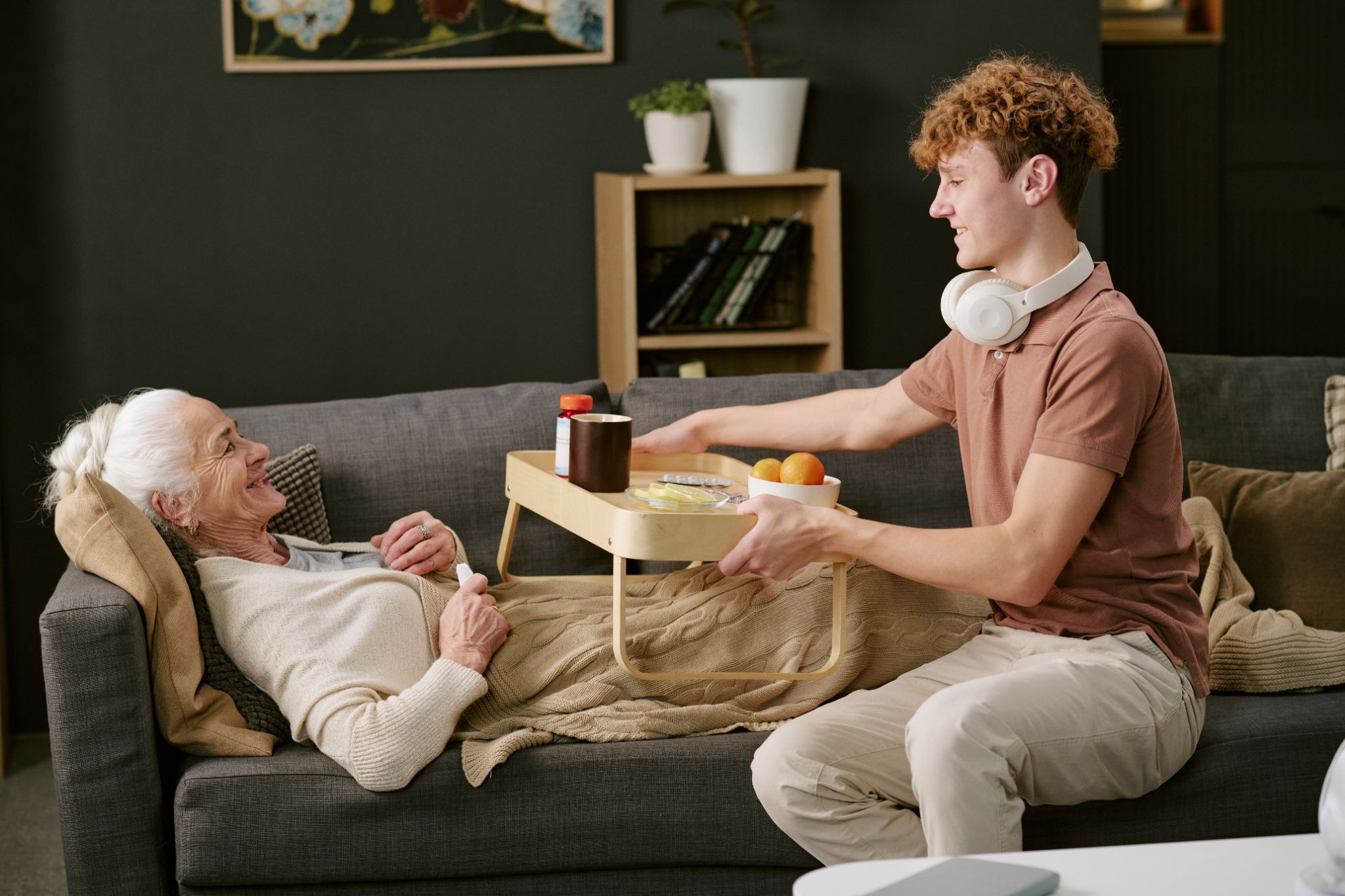
Caring for someone with dementia at home is a long-term responsibility that blends patience, structure, and emotional strength. It is not just about medical needs. It is about daily comfort, safety, and dignity. This is where home dementia care becomes deeply important. Caregivers often learn through experience, but having a clear approach makes the journey less overwhelming. Small adjustments in communication, routine, and environment can create a much calmer daily life for both the caregiver and the person receiving care.
Understanding the Nature of Dementia in Daily Life
Dementia affects memory, thinking, and behavior in ways that change over time. It does not follow a fixed pattern, which is why caregiving often feels unpredictable. One of the core challenges in home dementia care is understanding that behavior changes are not intentional. Confusion, repetition, or agitation are symptoms of the condition, not deliberate actions.
Caregivers who understand this can respond with more patience. Instead of focusing on correcting every mistake, it becomes more helpful to focus on comfort and reassurance. This shift in mindset is one of the most important foundations of effective care at home.
Creating a Safe and Familiar Living Environment
Safety is one of the priorities in home dementia care. As cognitive ability declines, everyday environments can become confusing or risky. Simple changes in the home can significantly reduce stress and prevent accidents.
Removing unnecessary clutter helps reduce confusion. Clear walking paths lower the risk of falls. Labels on doors or drawers can also support orientation. Familiar objects placed in visible areas provide emotional comfort. The goal is not to redesign the home completely but to make it easier to navigate safely and calmly.
Lighting also plays a major role. Well-lit spaces reduce confusion, especially during evening hours. Shadows can sometimes be misinterpreted, which increases anxiety. A consistent environment helps create a sense of stability that supports emotional balance.
Building Daily Routines That Reduce Confusion
Routine is one of the strongest tools in home dementia care. A predictable daily structure helps reduce anxiety and improve cooperation. When individuals with dementia know what to expect, they feel more secure.
Morning routines should be simple and consistent. Activities like waking up, eating, and personal care should follow the same order each day. This reduces decision-making pressure. Mealtimes should also be regular to support stability.
Evening routines are equally important. Calming activities before bed, such as soft music or quiet conversation, can help signal the end of the day. Over time, repetition becomes comforting and reduces agitation.
Communication Techniques That Build Trust
Using Simple and Clear Language
Communication changes significantly in dementia care. One of the most important aspects of home dementia care is using short and simple sentences. Complex instructions can create confusion. Speaking slowly and calmly helps improve understanding.
Avoiding multiple instructions at once is also helpful. Giving one step at a time allows the person to process information better. Tone of voice matters just as much as words. A calm and reassuring tone can reduce anxiety even when understanding is limited.
Listening Beyond Words
Sometimes communication is not about words but emotions. People with dementia may struggle to express themselves clearly. Paying attention to body language, facial expressions, and tone can provide a better understanding.
Responding with patience rather than correction builds trust. Even if the message is unclear, acknowledging the emotion behind it helps maintain connection. This approach improves overall communication quality in home dementia care.
Managing Behavioral Changes With Patience
Behavioral changes are common in dementia and can include restlessness, repetition, or sudden mood shifts. These behaviors are often expressions of confusion or unmet needs.
One effective approach in home dementia care is identifying possible triggers. These may include hunger, discomfort, noise, or fatigue. Once patterns are recognized, caregivers can respond more effectively.
Staying calm during difficult moments is essential. Reacting with frustration can increase agitation. Instead, redirecting attention or changing the environment often helps reduce stress. Patience becomes a practical skill rather than just an emotional response.
Supporting Independence While Providing Assistance
Maintaining independence is important for dignity and self-esteem. In-home dementia care, the goal is not to take over every task but to support where needed.
Encouraging small independent actions helps maintain cognitive ability for longer. For example, allowing the person to choose clothing or assist in simple tasks can provide a sense of control. Even if tasks take longer, participation matters more than speed.
At the same time, caregivers need to step in when safety is at risk. Finding this balance is one of the most important aspects of caregiving at home.
Emotional Wellbeing for Both Caregiver and Patient
Dementia care affects both the person and the caregiver emotionally. Feelings of stress, sadness, or exhaustion are common. In-home dementia care, emotional balance is just as important as physical support.
Caregivers need time to rest and recharge. Without breaks, burnout becomes a real risk. Seeking support from family or community resources can reduce pressure. Emotional wellbeing improves the quality of care provided.
For the person with dementia, emotional reassurance is equally important. Simple gestures like holding hands, speaking gently, or maintaining eye contact can provide comfort even when memory is limited.
Nutrition and Hydration in Daily Care
Proper nutrition supports overall health and energy levels. In-home dementia care, meal routines should be simple and consistent. Familiar foods are often easier to accept than new or complex meals.
Smaller, more frequent meals may be easier to manage than large portions. Soft textures can also help if swallowing becomes difficult. Hydration is often overlooked, so regular reminders to drink water are important.
Creating a calm mealtime environment reduces distraction and encourages better eating habits. Avoiding rush or pressure helps make meals more comfortable.
Handling Sleep Disturbances and Rest Patterns
Sleep issues are common in dementia. Confusion between day and night can lead to restlessness. In-home dementia care, establishing a consistent sleep routine can help regulate rest patterns.
Reducing daytime naps may improve nighttime sleep. Evening environments should be calm and quiet. Soft lighting and familiar routines help signal bedtime.
If sleep disturbances continue, it may be helpful to consult a healthcare professional. Persistent rest issues can affect overall health and caregiving quality.
When to Seek Additional Support
There are times when home care alone may not be enough. Recognizing when to seek help is an important part of responsible caregiving.
If safety becomes difficult to manage or emotional stress becomes overwhelming, professional support should be considered. Home dementia care does not mean doing everything alone. Support services, respite care, or medical guidance can provide relief. Accepting help is not a weakness. It is a practical step toward sustainable care.
Practical Daily Strategies That Help Caregivers
Keep routines consistent to reduce confusion
Use simple language and short instructions
Maintain a calm and familiar environment
Focus on emotional reassurance over correction
Encourage safe independence where possible
These simple strategies can make home dementia care more manageable and less stressful over time.
Conclusion
Caring for someone with dementia at home requires patience, understanding, and structure. It is not about perfection but about consistency and compassion. Small daily actions can create a meaningful difference in comfort and stability. With the right approach, home dementia care becomes a balance of safety, emotional support, and dignity. Over time, these practices help improve the quality of life for both caregivers and individuals receiving care.
FAQs
1. What is the most important part of home dementia care?
The most important part of home dementia care is maintaining a safe, structured, and calm environment. Consistency in routine and communication helps reduce confusion and anxiety while improving daily comfort and emotional stability for the person receiving care.
2. How can caregivers reduce confusion in dementia patients?
Caregivers can reduce confusion by using simple language, maintaining routines, and creating a familiar environment. Repetition and consistency in daily activities help the brain feel more secure and reduce stress in home dementia care settings.
3. What should caregivers avoid in dementia care at home?
Caregivers should avoid arguing, correcting harshly, or using complex instructions. These actions can increase frustration. Instead, calm reassurance and gentle redirection are more effective strategies in home dementia care for maintaining trust and emotional balance.
4. How can caregivers manage stress while providing dementia care?
Caregivers can manage stress by taking regular breaks, seeking support from others, and maintaining realistic expectations. Emotional rest is important to prevent burnout and ensure sustainable home dementia care over a longer period of time.
5. When should professional help be considered in dementia care?
Professional help should be considered when safety becomes difficult to manage or when caregiver stress becomes overwhelming. Home dementia care can be supported with external services, ensuring better care quality and emotional balance for everyone involved.